


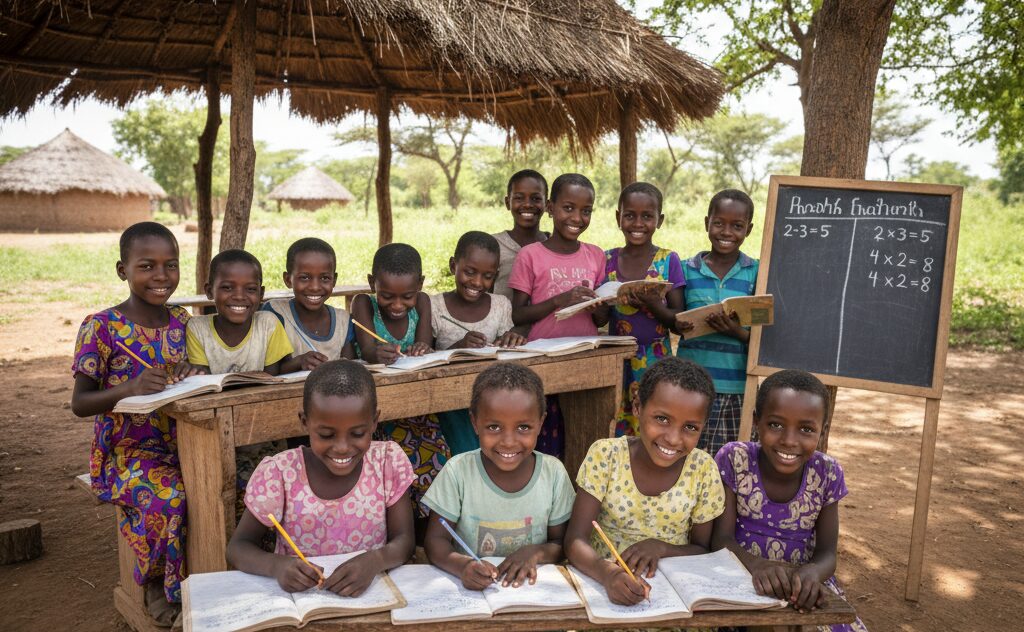
Ethiopia, a nation steeped in rich history, culture, and diverse ethnic backgrounds, is home to over 22 million children. These young souls are the heartbeat of the country, embodying both the challenges and the bright prospects of the future.
The Challenges Faced
Despite their vibrant energy and potential, Ethiopian children face substantial challenges. Issues such as poverty, lack of access to education, and health crises significantly hinder their growth. According to recent studies, approximately 25% of children in Ethiopia are out of school, missing out on essential educational opportunities that could shape their futures.
Additionally, malnutrition remains a critical concern. Many children suffer from stunted growth due to food insecurity, which not only impacts their physical health but also their cognitive development.
Resilience in Adversity
Yet, against this backdrop of adversity, Ethiopian children display remarkable resilience. Many are involved in community initiatives, helping to cultivate small gardens that not only feed their families but also teach them about sustainability and teamwork.
“Education is the most powerful weapon which you can use to change the world.” – Nelson Mandela
Organizations, both local and international, are working tirelessly to provide better educational resources and healthcare services. Programs aimed at empowering girls through education have seen promising advancements, allowing them to dream beyond traditional roles and participate in shaping their communities.
Hope for the Future
The stories of young Ethiopian children are often filled with hope and dreams. From aspiring doctors and teachers to engineers and artists, these children possess aspirations that can transform their society. With the right support, they can break the cycle of poverty and contribute positively to their nation.
Investing in Ethiopian children is not just an act of charity but a commitment to a brighter future. By providing them with the tools to succeed—such as education, healthcare, and emotional support—we can unlock a reservoir of potential that exists within every child.
Conclusion
In conclusion, while challenges abound, the resilience and hope demonstrated by Ethiopian children remind us that change is possible. It is our collective responsibility to support and empower these children, ensuring that they not only survive but thrive.